How can I create a wiki that is owned by 4th graders? This is the question I have been struggling with for the last few months. I have owned the wiki for a few years now. The name may have changed a few times, but the idea remains the same. It serves as a link between the teacher, student, parent and world. The ideas that are floating near the top of my sporadic, sometimes rule-breaking mind are endless. I have thought of the creation of an entire digital classroom, where work can be completed via wiki. This idea sank when I realized the students need to be taught core 21st Century information sharing skills.
The 9 and 10 year olds that I teach are rather limited in their current views of the Internet, as it relates to purpose, relativity and possibilities. The more the world becomes transparent, the more I see these young students become stagnate with their learning. The 9/10 year old view of the Internet is a great place to play games, watch videos and chat with friends. This is the Internet for these students. I see the Internet as a vast, sometimes confusing mesh of woven arteries that lead to a completely different mesh of woven arteries. These arteries are created and destroyed. Sometimes just blocked.
The challenge seems to come when time interferes with curriculum. I spend much of my day trying to fit into a little mold of what it takes to be a successful 4th grade teacher. Sometimes this path leads to a successful, well thought-out lesson. Sometimes the lesson goes south. I still haven't figured out how to figure it out. I am constantly changing how I teach. I am constantly thinking of new and better way to introduce a skill so that the student ultimately absorbs the information.
I have now opened OUR wiki up to the world with my students leading the conversation. This is a great milestone, in my opinion. This is a step in the right direction for me. This will be one tool I will use to assess students and teacher (me). The students feel ownership. They now know what it is like to own what they are learning. Very few students have started with the process of making edits to the wiki. I have been sacrificing my lunch time in order to not take any instruction time away from our current curriculum model. These few students are creating a buzz. I am using these students as a fuse to light the entire class with the ownership of the material they are learning.
Every day, a new idea for the wiki is generated by a student. We discuss the positives and negatives of including this idea to OUR wiki. Student ideas generated so far... Going Green, Book Reviews, and Beyond. These ideas are in their infant stages of course. We are still working on our editing skills.
How it Works:
1. Students fill out a wiki editing form with a unique idea they would like to add to our wiki.
2. During the day, we discuss the edit and the process of adding it.
3. Students begin editing the wiki during lunch, indoor recess or when they have finished their assignments for the day.
Future Plans:
I plan to open the editing for students to complete at home. I haven't quite reached this point of trust... yet. I am still working with the students to understand Internet responsibility (what to make public and what to keep to yourself). I believe this will come in the near future.
I am excited about this whole "experiment". The students are also excited.
Showing posts with label editing. Show all posts
Showing posts with label editing. Show all posts
Saturday, December 13, 2008
Ownership of Information


Saturday, November 10, 2007
School technology vs. School 2.0
The push for technology in schools is the overwhelming theme in schools today. I am not quite sure that the emphasis is on the proper tools. Using online databases, LCD projectors, streaming videos, information tutorials, and educational sites is not enough. Most teachers can use these tools. Who am I kidding... most teachers don't use these tools. That is another topic though.
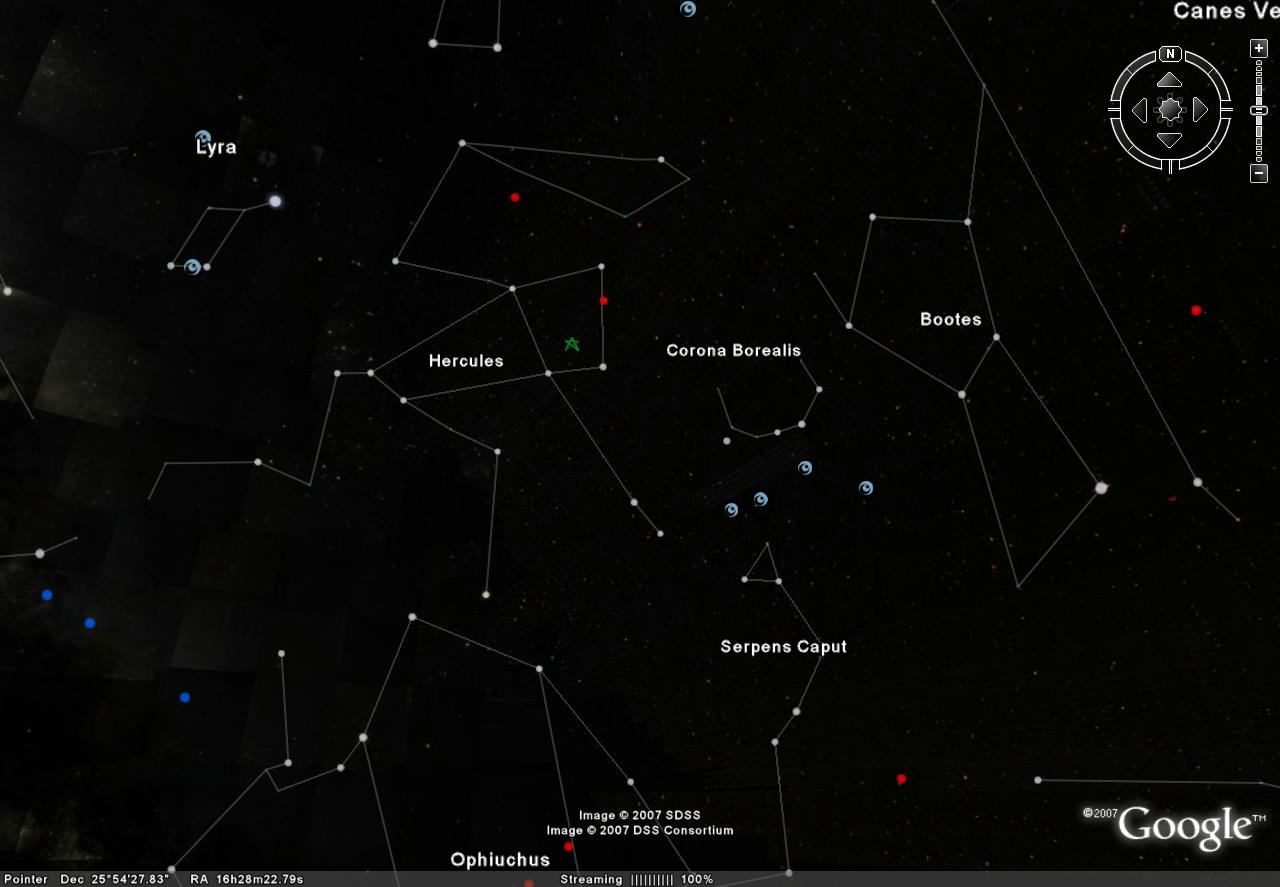
The problem with pushing technology is that it has many ill effects. A while ago, I wrote a blog about our district and its building of a planetarium. This is put under the false pretense of creating a digital classroom. The Superintendent of our school system is caught up in the hype of being a leader in technology in Maryland. This building will be stationed at our new highschool and will be finished by 2011. As of right now, I can go to Google Earth and switch it over to Google Sky. Any constellation and star can be seen for free. I can project this with my LCD projector in my classroom right now for free. I do not know how much this planetarium will cost, but I'm sure it is not going to be free. I am sure that they will have a huge opening ceremony and our Superintendent will get high praise. But should he?
How many computers could we have bought with this money?
My point...
I think we should be focusing on 1 laptop per child, and school 2.0 literacy training for our teachers. Once we have a laptop for every child, we can start focusing on the literacy aspects. As of right now, my school has a laptop cart with 24 computers. A teacher travels around on the cart having the students use "old technology". This is not the direction we should be heading. We need to prepare the students for a life of using these tools not only to gain information, but to add to the information. I feel if we continue in this direction, our students are going to fall far behind those in which are exposed to web 2.0. We need to stop hiding being a facade of recognition, and start preparing students.
Sunday, September 30, 2007
Editing... revisited

I enjoy revisiting topics. Every day I come across an instance where I hear or see someone not using the skills to edit information put out into the public. Next time you watch the news on your local television channel, pay attention to the reports on "health studies" that they report. Usually, they preface the report with a teaser before a commercial so that you continue to watch. This usually sounds something like this... "When we come back, find out why walking down a city street in the middle of the day may lead to an early death". They rely on the shock of the report. When they finally get to the story, they interview someone that was walking down the street and came across a man hole cover that was loose. This person decided to get on the news by calling the news station and reporting their near death story. The next day, everyone that sees this report, immediately fears man hole covers and stays clear of them.
This is a made-up story of course. I was using it as a metaphor for how ridiculous I think some news reports are. A great example of this fear reporting... 3 drinks daily increase risk for breast cancer . I recently saw this report on the news and then looked it up of the Internet. Now, the report says that if a woman is to drink 3 alcohol drinks daily, she increases her risk of breast cancer by 30% or as much as smoking a pack of cigarettes a day. First of all, I don't know any women who drink 3 alcohol drinks a day. If they do drink three drinks a day, they probably already smoke a pack of cigarettes.
This is not the point though. The report did its job. Now everyone equates drinking 3 drinks daily with smoking a pack of cigarettes a day. People go to work the next day like they are intelligent and start barking statistics out that they heard on the news. Now everyone thinks that drinking a few drinks every day is as harmful as smoking a pack of cigarettes a day. The report told you what they wanted to tell you and didn't mention all of the other harmful effects of smoking. The news focuses on the shock value of the report and wants you to watch their station.
This is where editing needs to come into play. As a society, we need to listen, learn, and then decide what is a true and valid study. These statistics may be true, but we as a society need to learn how to question a study and not give so much credit to the reports.
This is a made-up story of course. I was using it as a metaphor for how ridiculous I think some news reports are. A great example of this fear reporting... 3 drinks daily increase risk for breast cancer . I recently saw this report on the news and then looked it up of the Internet. Now, the report says that if a woman is to drink 3 alcohol drinks daily, she increases her risk of breast cancer by 30% or as much as smoking a pack of cigarettes a day. First of all, I don't know any women who drink 3 alcohol drinks a day. If they do drink three drinks a day, they probably already smoke a pack of cigarettes.
This is not the point though. The report did its job. Now everyone equates drinking 3 drinks daily with smoking a pack of cigarettes a day. People go to work the next day like they are intelligent and start barking statistics out that they heard on the news. Now everyone thinks that drinking a few drinks every day is as harmful as smoking a pack of cigarettes a day. The report told you what they wanted to tell you and didn't mention all of the other harmful effects of smoking. The news focuses on the shock value of the report and wants you to watch their station.
This is where editing needs to come into play. As a society, we need to listen, learn, and then decide what is a true and valid study. These statistics may be true, but we as a society need to learn how to question a study and not give so much credit to the reports.
Saturday, September 15, 2007
Information in line for EDITING

The ability to edit information is the single most powerful skill one will need now and in the future in order to make sense of the world around us. As of now, I see editing in practice in the blog/web 2.0 world.
Editing does not only encompass looking at text and deciding whether or not it is credible. Editing to me involves the ability to edit all forms of media, entertainment, and any other information presented to us daily. This is not an innate skill. Humans are not born with the ability to consume information, have the skills to check credibility and decide to use the information in a way that makes sense... we need to teach this in our schools.
Our information revolution is not going anywhere. We can't take a break from the information, and come back another day. Information is omnipresent. Taking a break from the information flood would only involve us delaying the information that is presently available to us.
In the coming years, this will be a highly regarded skill that will be needed to sustain every day life. This skill is not only needed by adults... we need to teach children strategies to begin the process at a young age. Children need to be able to hear something in the media and know that it may not be the entire truth. They need to be able to watch the MTV Music Awards Show and know that they do not have to agree with the ideas of an artist presenting. They need to be able to pick up a magazine and read it not as truth, but as a practice session for their editing ability. The skill of questioning and not automatically believing comes into play. Always question, discuss and then decide.
These skills need to be used everyday in order for students to know how to use them. The fragility in our society will begin to show if generations are not using the skills of questioning and editing.
Subscribe to:
Posts (Atom)